


SMS marketing campaigns involve sending promotional messages, alerts, and updates directly to customers’ mobile phones via text message. These text-based campaigns offer exceptionally high open rates and quick engagement, making them a powerful communication tool for driving retail sales, building customer loyalty, and sharing urgent business updates.
Mobile devices have fundamentally shifted how consumers interact with their favorite brands. People check their phones dozens of times a day, making the text message inbox one of the most visible digital spaces available to marketers. While email remains a vital communication channel, text messaging offers an immediacy that other platforms struggle to match.
The core advantage of short message service (SMS) communication lies in its direct nature. Messages appear directly on the recipient’s home screen, leading to open rates that often exceed 90 percent. This high visibility means time-sensitive offers, critical updates, and personalized promotions reach the intended audience almost instantly.
Implementing a robust text messaging strategy requires careful planning and a deep understanding of consumer preferences. Brands must balance the frequency of their messages to remain helpful without becoming intrusive. The following sections explore the various components of successful text campaigns, from initial strategy development to tracking return on investment.
SMS Marketing Campaign Strategies
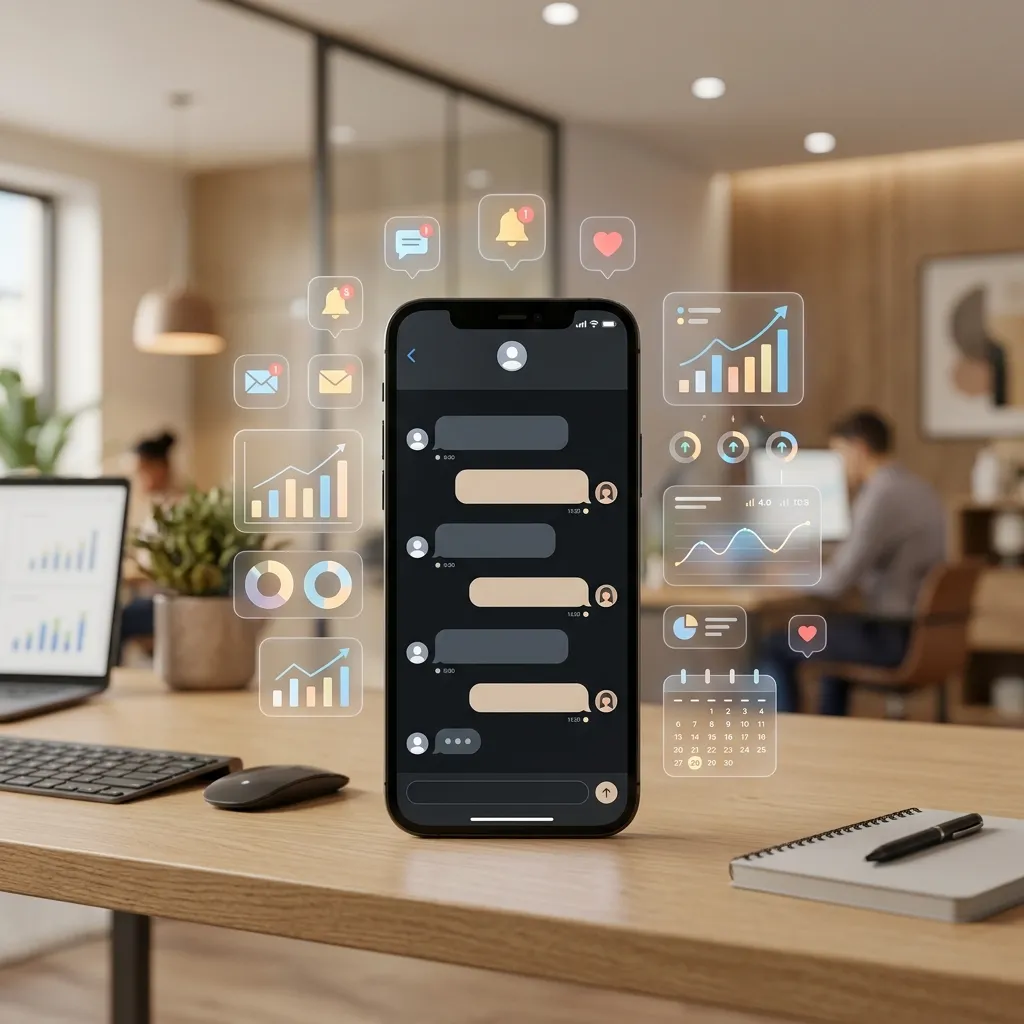
A successful SMS marketing strategy requires a clear foundation built on consumer consent and value delivery. Marketers must prioritize building a compliant subscriber list by offering compelling opt-in incentives, such as exclusive discounts or early access to new products. Once a business establishes a subscriber base, segmenting that audience becomes the next critical step. Dividing subscribers by purchase history, geographic location, or engagement levels allows brands to send highly relevant content.
Timing also plays a crucial role in campaign execution. Sending messages during typical waking hours in the recipient’s local time zone prevents annoyance and increases the likelihood of immediate action. Furthermore, maintaining a consistent brand voice across all text messages ensures the communication feels authentic. Marketers should focus on concise, action-oriented copy that clearly explains the value proposition and includes a direct link to the next step.
Best SMS Marketing Examples
Examining successful real-world applications provides valuable insight into effective text messaging tactics. Retail brands frequently use flash sale announcements to drive immediate traffic to their e-commerce stores. By creating a sense of urgency with limited-time discount codes sent exclusively to SMS subscribers, companies routinely see significant spikes in daily revenue.
Another highly effective example involves abandoned cart recovery. E-commerce platforms can automatically trigger a text message when a known subscriber leaves items in their digital shopping cart. A gentle reminder, sometimes accompanied by a small discount, often provides the necessary push to complete the transaction. Additionally, service-based businesses utilize text campaigns for appointment reminders, drastically reducing no-show rates and improving operational efficiency.
SMS Promotional Campaigns for Business
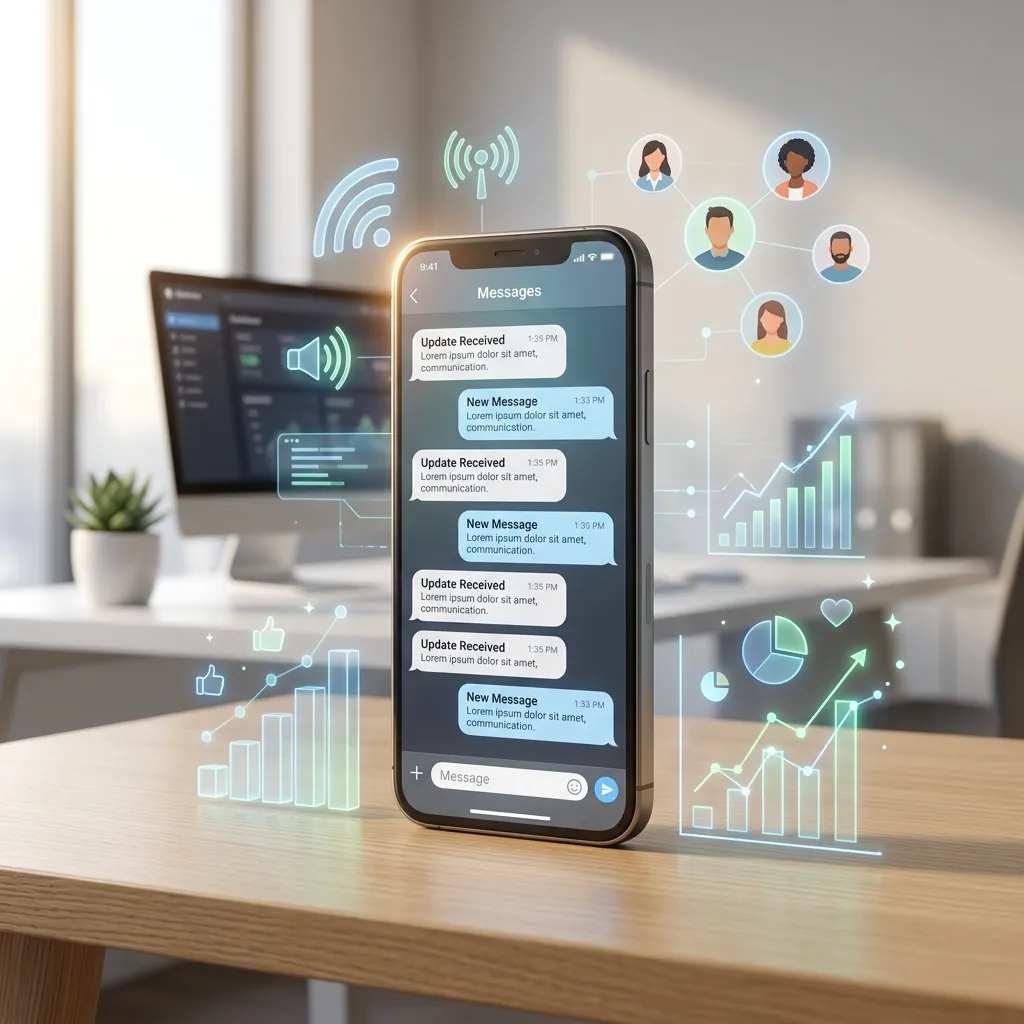
Promotional text campaigns focus heavily on driving specific commercial actions. These initiatives typically highlight seasonal sales, new product launches, or exclusive subscriber-only deals. The most successful promotional messages get straight to the point, clearly stating the offer, the expiration date, and the required action.
To maximize the impact of promotional texts, businesses often employ multimedia messaging service (MMS) capabilities. Including an eye-catching image or a short GIF of the promoted product captures attention faster than plain text. Businesses must also ensure that the mobile landing pages linked in these promotions load quickly and offer a frictionless checkout experience. A disjointed transition from a text message to a poorly optimized website will severely damage conversion rates.
SMS Marketing Automation Tools
Automation transforms text messaging from a manual chore into a highly scalable marketing channel. Modern automation platforms allow businesses to set up complex workflows that trigger messages based on specific user behaviors or milestones. Welcome series automations automatically greet new subscribers with an introductory offer, establishing a positive relationship from the very first interaction.
These tools also handle the crucial task of compliance management. Automated systems track opt-ins and immediately process opt-out requests, ensuring the brand adheres to telecommunication regulations like the Telephone Consumer Protection Act (TCPA). By leveraging automation, marketing teams free up valuable time to focus on high-level strategy and creative development rather than manual campaign execution.
Effective SMS Advertising Campaigns
Integrating text messaging into broader advertising efforts amplifies the overall impact of a marketing push. Brands frequently use text-to-join keywords displayed on billboards, in television commercials, or across social media profiles. This cross-channel approach bridges the gap between passive advertising consumption and active brand engagement.
Once a consumer texts the designated keyword to the brand’s shortcode, the business can immediately follow up with targeted advertising content. This method guarantees that the advertising budget targets individuals who have actively expressed interest in the brand. Effective advertising via text relies on concise copy that delivers on the promise made in the initial advertisement, reinforcing brand trust.
Bulk SMS Marketing Campaigns
Bulk text messaging allows organizations to reach thousands of subscribers simultaneously with a single broadcast. This approach proves especially useful for company-wide announcements, major holiday sale events, or urgent service updates. While bulk messaging lacks the hyper-personalization of segmented campaigns, it provides unmatched reach for broad-appeal information.
When executing a bulk campaign, marketers must carefully monitor delivery rates and carrier restrictions. Sending too many messages simultaneously without the proper infrastructure can result in telecommunication carriers flagging the messages as spam. Partnering with a reputable messaging provider ensures high deliverability rates and provides the necessary bandwidth to handle large-scale broadcasts efficiently.
SMS Campaign Management Software

Robust campaign management software serves as the command center for all text-based marketing activities. These platforms provide intuitive dashboards where teams can draft messages, schedule broadcasts, and analyze campaign performance in real-time. Advanced software solutions integrate directly with customer relationship management (CRM) systems and e-commerce platforms, creating a unified view of the customer journey.
Key features of top-tier management software include A/B testing capabilities, allowing marketers to compare different message variations to determine which yields the highest engagement. Detailed reporting metrics—such as delivery rates, click-through rates, and conversion data—empower teams to continually refine their approach based on empirical evidence rather than guesswork.
SMS Marketing ROI Strategies
Measuring and optimizing return on investment stands as a primary objective for any marketing initiative. To accurately calculate text marketing ROI, businesses must track the revenue generated directly from SMS links against the cost of the messaging platform and the messages themselves. Utilizing unique discount codes and trackable links ensures that sales are accurately attributed to the correct campaign.
Improving ROI often involves refining audience segmentation to reduce message waste. Sending highly relevant offers to specific customer subsets yields better conversion rates than broadcasting generic messages to the entire list. Additionally, continuously cleaning the subscriber list by removing inactive numbers prevents the brand from paying for messages that will never be read.
SMS Customer Engagement Campaigns
Text messaging extends far beyond purely transactional or promotional interactions. Engagement-focused campaigns aim to build a community and foster two-way communication between the brand and the consumer. Interactive campaigns, such as text-based polls, surveys, or trivia contests, encourage active participation and provide businesses with valuable consumer insights.
Customer service also plays a major role in engagement. Allowing customers to reply to marketing texts with questions or concerns creates a seamless support experience. When consumers know they can easily reach a human representative via text, their overall satisfaction and loyalty to the brand significantly increase.
SMS Marketing Templates for Businesses
Pre-written templates streamline the campaign creation process and ensure consistent messaging. Having a library of templates for common scenarios—such as order confirmations, shipping updates, and flash sale announcements—allows marketing teams to deploy campaigns rapidly.
A standard flash sale template might read: “VIP ACCESS: Take 30% off your entire order today only! Shop the sale here: [Link]. Reply STOP to opt out.” Templates provide a reliable structure while leaving room for customization, ensuring that every message aligns with the brand’s established voice and complies with industry regulations.
Taking the Next Step with SMS Marketing
Implementing a strategic text messaging program offers unparalleled access to a highly engaged audience. By focusing on delivering consistent value, respecting subscriber preferences, and utilizing the right technological tools, organizations can drive significant revenue growth and deepen customer relationships. Begin by auditing your current communication channels and identifying opportunities where direct, mobile-first messaging can improve the overall customer experience.
Frequently Asked Questions
What are SMS marketing campaigns?
SMS marketing campaigns are a form of digital marketing where businesses send promotional messages, alerts, and updates directly to customers’ mobile phones through text messages to drive engagement and sales.
How do SMS marketing campaigns work?
SMS marketing campaigns work by collecting opt-in subscribers and sending them targeted messages through SMS platforms. These messages are delivered instantly to users’ phones for high visibility and quick action.
Why are SMS marketing campaigns effective?
SMS marketing campaigns are highly effective because they have open rates above 90%, ensuring messages are seen quickly, making them ideal for time-sensitive offers and customer communication.
What is the best time to run SMS marketing campaigns?
The best SMS marketing campaigns are usually sent during daytime business hours in the customer’s local time zone to increase engagement and avoid disturbing users.
Are SMS marketing campaigns better than email marketing?
SMS marketing campaigns often perform better in terms of open rates and response speed, while email marketing is better for detailed content, making both useful depending on the goal.
How can businesses improve SMS marketing campaigns?
Businesses can improve SMS marketing campaigns by segmenting their audience, personalizing messages, and sending relevant offers based on customer behavior and interests.
What tools are used for SMS marketing campaigns?
SMS marketing campaigns are managed using automation platforms, SMS gateways, and CRM systems that help schedule messages, track performance, and manage subscriber lists efficiently.
How often should SMS marketing campaigns be sent?
Effective SMS marketing campaigns are usually sent 2 to 4 times per month to maintain engagement without overwhelming or annoying subscribers.
Are SMS marketing campaigns legal?
Yes, SMS marketing campaigns are legal when businesses obtain clear user consent and follow regulations like providing opt-out options such as “Reply STOP.”
What types of messages are used in SMS marketing campaigns?
SMS marketing campaigns include promotional offers, flash sales, order confirmations, appointment reminders, and customer service updates.
Can SMS marketing campaigns increase sales?
Yes, SMS marketing campaigns can significantly boost sales by delivering instant offers and encouraging quick customer action through direct mobile communication.
What makes SMS marketing campaigns successful?
Successful SMS marketing campaigns rely on clear messaging, strong calls-to-action, proper audience targeting, and consistent value delivery to subscribers.
What is the main goal of SMS marketing campaigns?
The main goal of SMS marketing campaigns is to reach customers instantly with relevant messages that encourage immediate action, such as making a purchase, visiting a website, or redeeming an offer.
How do SMS marketing campaigns help customer engagement?
SMS marketing campaigns improve customer engagement by delivering personalized and timely messages, allowing businesses to interact directly with customers and build stronger relationships.
What are the common mistakes in SMS marketing campaigns?
Common mistakes in SMS marketing campaigns include sending too many messages, not segmenting the audience, using unclear messaging, and failing to provide value or an easy opt-out option.
