

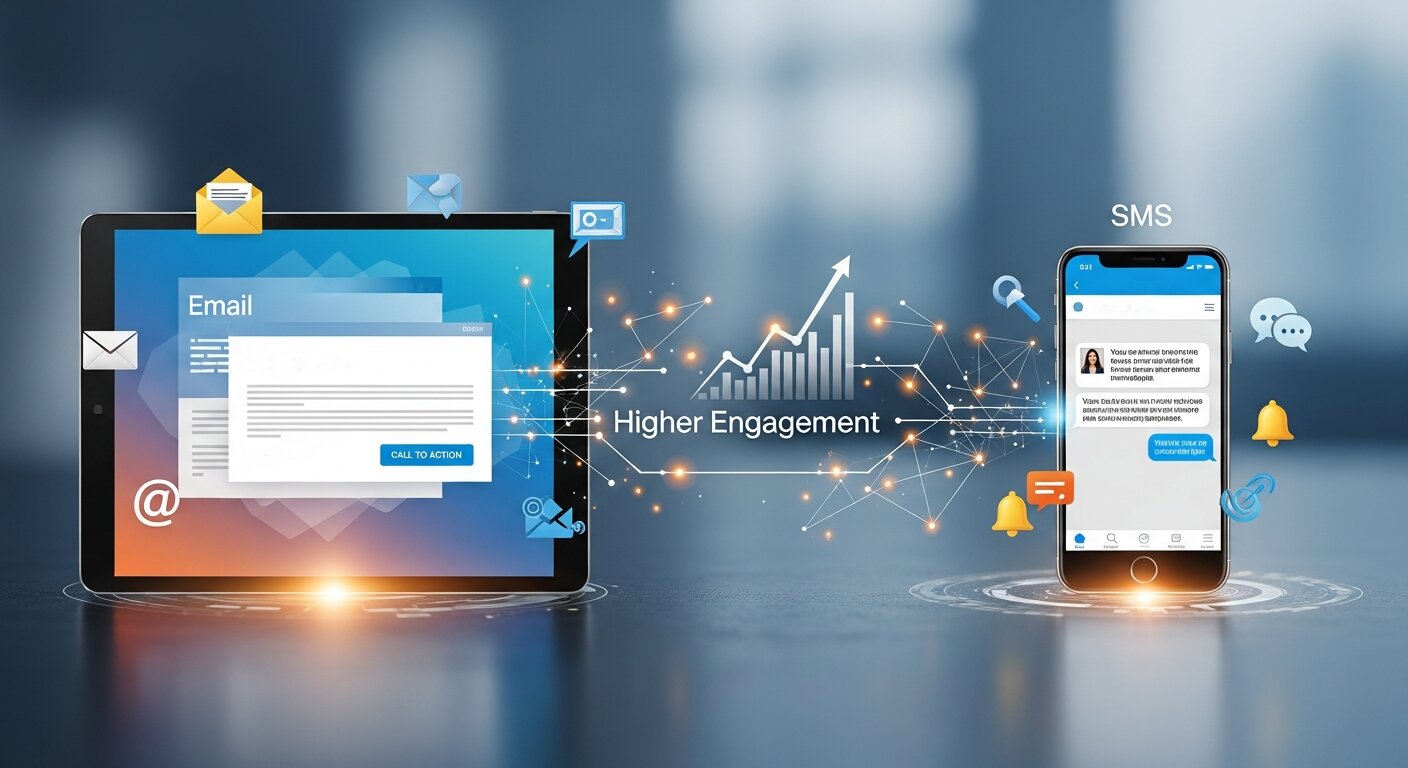
Marketing channels rarely work perfectly in isolation. When consumers receive messages across multiple platforms, their likelihood of engaging with your brand increases significantly. Relying solely on your newsletter or a standalone text message blast leaves money on the table. You need a cohesive approach that reaches your audience exactly where they prefer to communicate.
Many businesses struggle to figure out how to integrate email and SMS campaigns for higher engagement. The process requires careful planning, a solid understanding of your customer base, and the right automation tools. When you execute this correctly, you create a seamless experience that guides potential buyers from initial awareness all the way to a completed purchase.
This comprehensive guide will walk you through everything you need to know about blending these two powerful channels. You will learn actionable integration strategies, step-by-step setup methods, and best practices to maximize your return on investment.
Combining Email and Text Message Marketing Campaigns
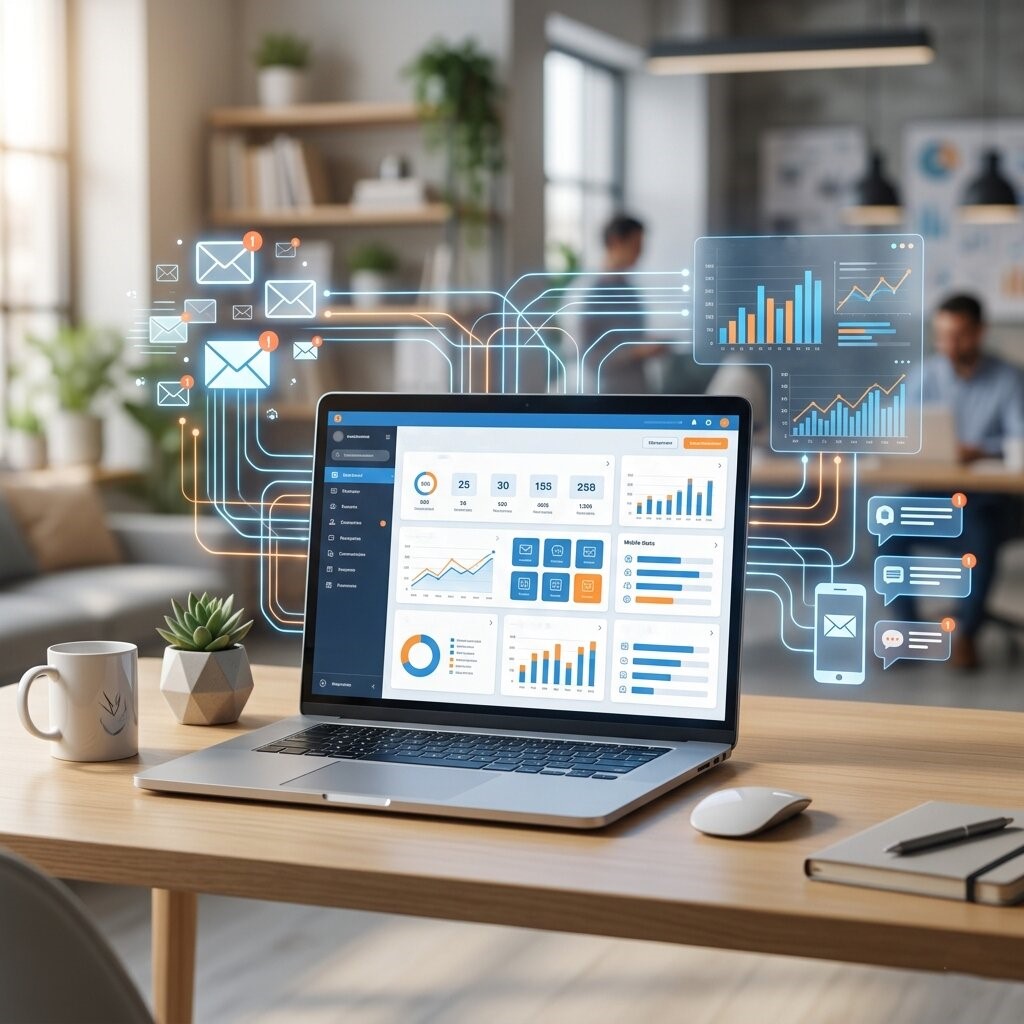
Email offers a powerful channel for delivering long-form content, detailed newsletters, product storytelling, and visually rich announcements that help educate and nurture your audience over time. On the other hand, SMS marketing provides immediacy, high open rates, and quick, action-driven alerts that capture attention instantly. When both are used together strategically, they complement each other perfectly by leveraging the strengths of each format.
Instead of repeating the same message across both platforms, smart marketers focus on sequencing. This is where how to integrate email and SMS campaigns for higher engagement becomes important. For example, you might send an in-depth email introducing a new product launch, followed by a short SMS a few days later reminding users about a limited-time discount or expiring offer. This layered communication keeps your brand top of mind while avoiding message fatigue or redundancy.
Customer Engagement Through Email and SMS MarketingHow to Integrate Email and SMS Campaigns for Highe
Engagement significantly improves when you align your messaging with user preferences. Some customers rarely check emails but respond quickly to SMS notifications, while others prefer detailed email content they can read at their convenience. By understanding these behaviors, you can build a more personalized communication flow.
Using how to integrate email and SMS campaigns for higher engagement, you can segment your audience based on interaction patterns and engagement history. Active mobile users can receive urgent updates via SMS, while email-first subscribers can continue receiving in-depth guides, promotions, and educational content. This targeted approach not only reduces unsubscribe rates but also strengthens trust and long-term customer relationships.
Building a Cross-Channel Marketing Communication Strategy
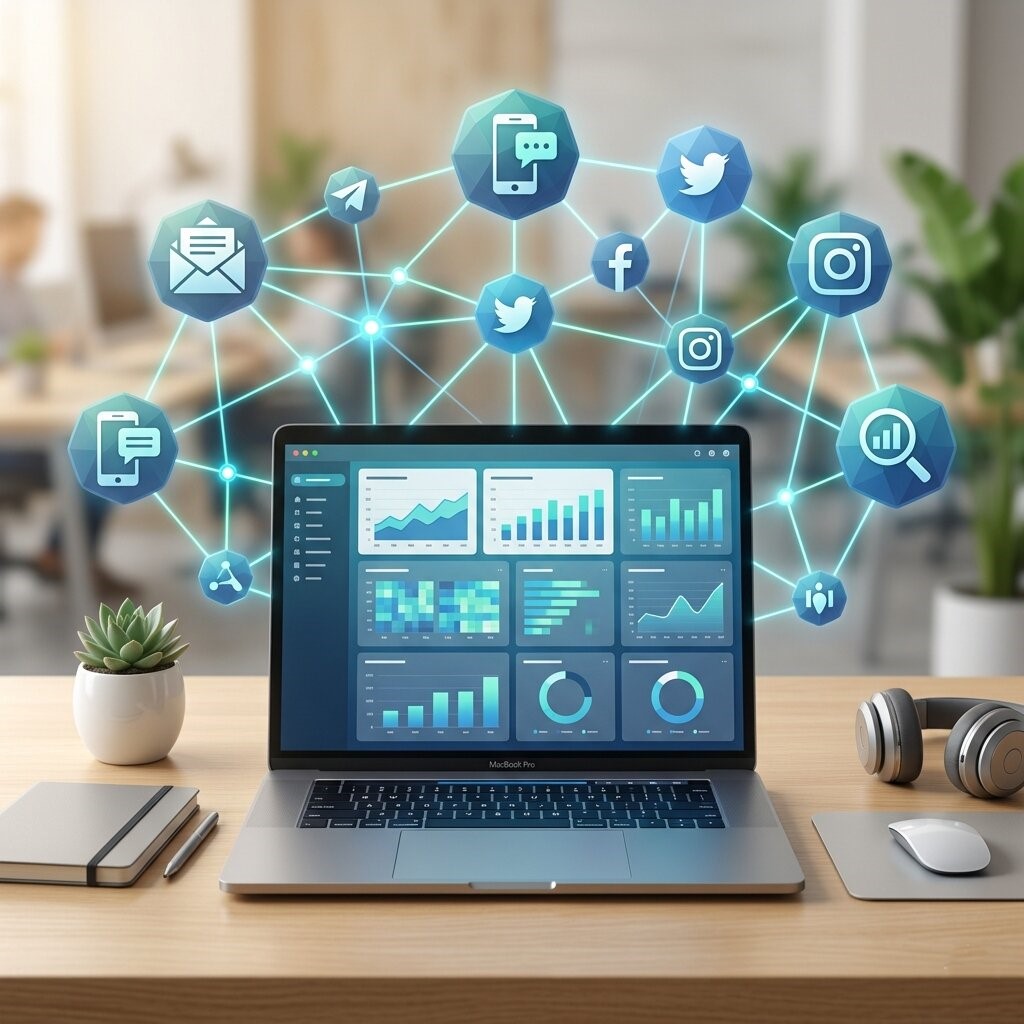
Omnichannel Marketing for Higher Conversion Rates
Omnichannel marketing goes a step further by ensuring all channels update in real time based on user actions. If a customer clicks a link in your SMS and completes a purchase, your automated system should immediately cancel the cart abandonment email scheduled for later that day.
This level of synchronization demonstrates that you are paying attention to the customer’s actions. It removes friction from the buying process and ultimately leads to higher conversion rates, as users receive highly relevant prompts based on their actual behavior.
Email and SMS Marketing Integration Strategies
Successful integration starts with your opt-in process. You must secure permission to contact your leads on both channels. Many brands use a two-step signup form on their website. The first step captures the email address, and the second step asks for a phone number in exchange for a special incentive, like free shipping or a discount code.
Once you have both contact points, you can implement multichannel marketing automation for engagement. This involves connecting your marketing software so that your email and SMS tools communicate with each other. If a subscriber opens an email but does not click the link, your system can automatically trigger a brief SMS message offering a slightly different angle or a stronger call to action.
SMS and Email Drip Campaign Setup Guide
Setting up a drip campaign that utilizes both channels requires a logical flow. Here is a simple framework to get you started:
- The Welcome Series: Send a welcome email immediately upon signup to introduce your brand. One day later, send a short text message offering a quick tip or a discount code to encourage their first purchase.
- The Nurture Phase: Over the next week, deliver two or three emails educating the user about your products. Monitor their click-through rates.
- The Conversion Push: If they show high engagement but haven’t purchased, trigger an SMS with a limited-time offer.
- The Follow-Up: After a purchase, send the receipt and shipping details via email, followed by a delivery confirmation text.
Automated Email and SMS Marketing Workflows
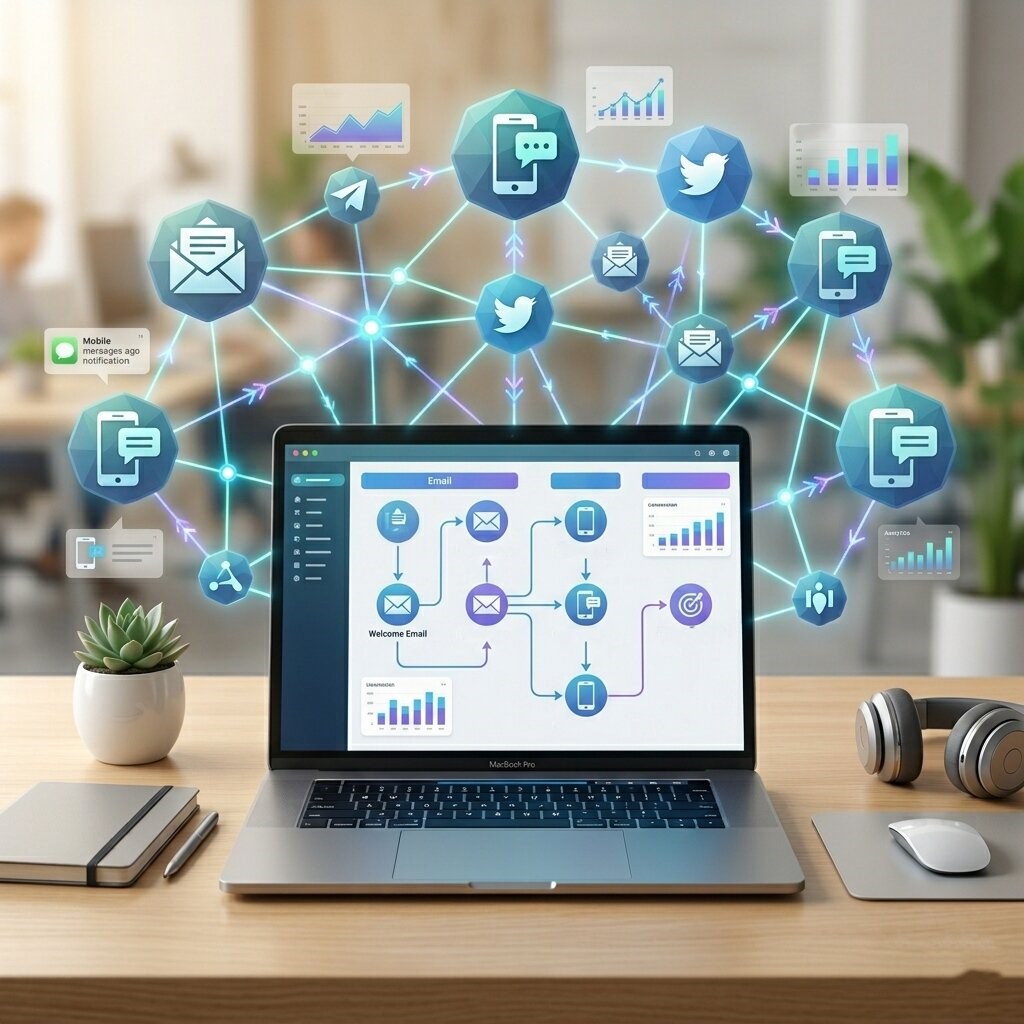
To make your marketing system scalable and sustainable, you need to rely on well-structured automated email and SMS marketing workflows that work together seamlessly. This is a core part of understanding how to integrate email and SMS campaigns for higher engagement, because automation ensures that both channels respond intelligently to user behavior without requiring manual effort.
Start by choosing a marketing platform that either natively supports both email and SMS or integrates smoothly through APIs. This ensures your data flows consistently between channels and allows you to build unified customer journeys. Before setting anything up in your CRM, map your entire workflow visually using tools like a whiteboard, flowchart software, or journey mapping platforms. This helps you clearly define how a user moves from one interaction to the next across email and SMS.
Next, establish precise triggers such as “cart abandoned,” “link clicked,” “email opened but no purchase,” or “new signup.” These triggers form the foundation of your automation strategy. Once triggers are defined, assign specific actions for both email and SMS, along with carefully planned time delays between messages. For example, an email might be sent immediately after a cart is abandoned, followed by a reminder SMS after 24 hours if the user still hasn’t converted.
By structuring your workflows this way, you not only reduce manual workload but also ensure your communication feels timely, relevant, and non-intrusive. This is a critical step in successfully implementing how to integrate email and SMS campaigns for higher engagement, as it helps you deliver the right message, on the right channel, at exactly the right moment.
Best Practices for Email SMS Campaign Integration
Even with the best software, you need strong operational rules to protect your brand reputation. Always provide clear opt-out instructions for both channels. An easy “Reply STOP to cancel” for text messages and a visible “Unsubscribe” link in your emails will keep you compliant with regulations and keep your list healthy.
Pay close attention to timing. Sending a promotional text message at two in the morning will likely result in an immediate unsubscribe. Use time-zone sending features to ensure your messages arrive during appropriate local hours.
Improving Marketing ROI with SMS and Email Synergy
Tracking your results is the only way to prove the value of your integration efforts. Monitor your key performance indicators (KPIs) closely. Look at your overall conversion rate, your cost per acquisition, and your customer lifetime value.
When you notice a particular workflow generating a high return on investment, dissect it. Figure out why that specific combination of an email newsletter followed by a text message worked so well, and replicate that structure in your future campaigns.
Frequently Asked Questions
How do I start figuring out how to integrate email and sms campaigns for higher engagement?
Begin by selecting a marketing automation platform that supports both channels. Then, audit your current communication strategy to see where text messages can naturally complement your existing emails.
Do I need separate software for email and text marketing?
Many modern marketing platforms offer both services in a single dashboard. Using an all-in-one solution is generally easier for setting up integrated workflows and tracking data.
How often should I send text messages compared to emails?
Emails can be sent more frequently, such as once or twice a week. Text messages should be reserved for time-sensitive alerts and special promotions, usually no more than a few times a month.
How to integrate email and sms campaigns for higher engagement during a product launch?
Send teaser emails leading up to the launch. On the actual launch day, send an email with full product details and an SMS alert letting subscribers know the product is officially live and available for purchase.
Can I use the same copy for both channels?
No. Email allows for storytelling, images, and multiple links. SMS is restricted by character limits and should be direct, urgent, and contain a single call to action.
What is the best way to collect both email addresses and phone numbers?
Offer a compelling lead magnet or discount. Use a multi-step form that asks for the email first, then prompts the user for their mobile number on the next screen.
How to integrate email and sms campaigns for higher engagement in e-commerce?
Use email for product newsletters and review requests. Use SMS for abandoned cart alerts, shipping updates, and flash sale notifications.
What happens if a customer unsubscribes from texts but not emails?
Your automation software should update their profile preferences immediately. You can continue sending them emails while suppressing them from all future SMS campaigns.
How do I prevent overwhelming my subscribers?
Implement strict frequency caps in your automation software. Ensure that no customer receives an email and a text message on the exact same day unless it is a critical transactional update.
How to integrate email and sms campaigns for higher engagement for service-based businesses?
Use emails to share educational content, case studies, and company news. Use SMS to send appointment reminders, booking confirmations, and requests for immediate feedback.
Is SMS marketing more expensive than email marketing?
Yes, sending text messages generally costs more per message than sending an email. That is why SMS should be used strategically for high-converting, time-sensitive campaigns.
How do I measure the success of an integrated campaign?
Track metrics like open rates, click-through rates, and conversion rates across both channels. More importantly, track the overall revenue generated by specific omnichannel workflows.
How to integrate email and sms campaigns for higher engagement without being marked as spam?
Always obtain explicit, double opt-in consent for both channels. Send relevant, highly targeted content, and honor all unsubscribe requests immediately.
Should I send links in my text messages?
Yes, including short links in your SMS messages directs traffic to your landing pages. Make sure the landing page is highly optimized for mobile viewing.
Can I automate replies to customer text messages?
Many platforms allow you to set up automated keyword responses. If a customer replies “HELP” or “HOURS,” your system can automatically reply with the relevant information.
Next Steps for Your Omnichannel Strategy
Mastering how to integrate email and SMS campaigns for higher engagement is not something that happens overnight—it requires careful testing, consistent optimization, and a strong understanding of your audience behavior. A smart way to begin is by starting small and intentionally layering channels instead of overhauling your entire system at once. For example, you can integrate email and SMS campaigns by adding a single SMS touchpoint into your most high-performing email drip sequences, such as your welcome series, lead nurturing flow, or abandoned cart recovery workflow.
Once implemented, closely monitor how your audience responds to this added layer of communication. Pay attention to key metrics like open rates, click-through rates, conversion rates, and unsubscribe behavior to understand whether the combined approach is improving engagement or overwhelming your subscribers. Let real performance data guide your decisions rather than assumptions. As you gain confidence, gradually expand your integrated email and SMS campaigns across other stages of the customer journey, ensuring each message is purposeful and timely.
The key to success is balance—respecting user preferences while delivering relevant, high-value messages at the right moment. When done correctly, integrating email and SMS campaigns creates a powerful omnichannel system that strengthens customer relationships, improves response rates, and drives consistent long-term growth.
